| CITROËN BX do-it-yourself |
|
|
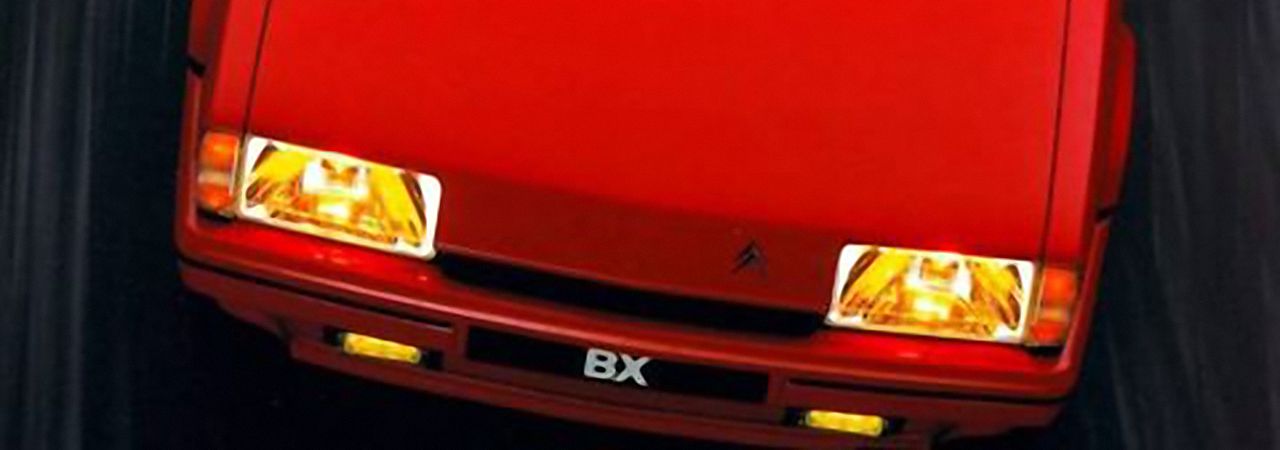
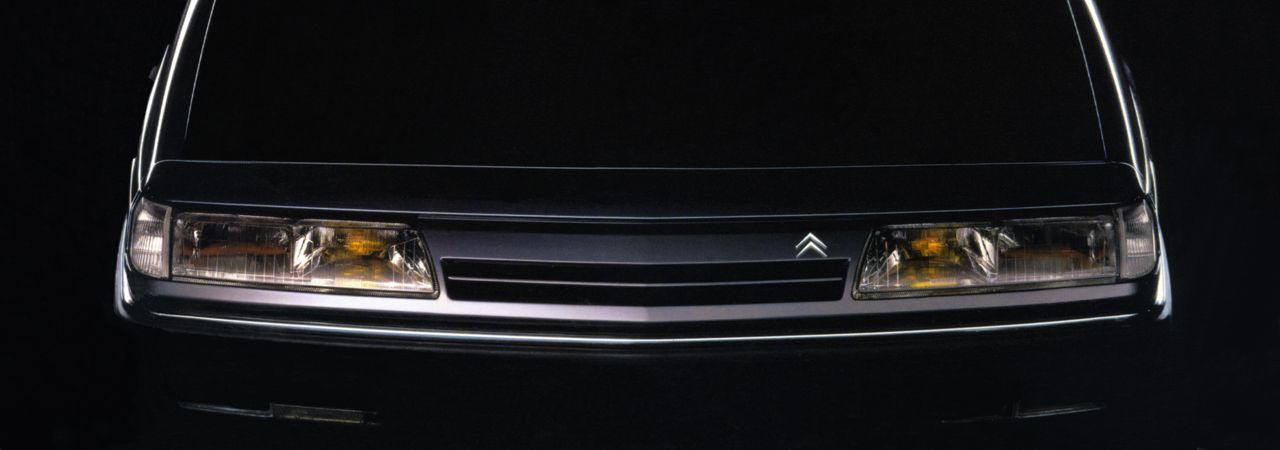
BX Models and HistoryThe BX was introduced in 1982 as the successor of the GS/GSA series and was replaced in 1994 by the Xantia. The second most popular Citroën after the 2CV—with a total production of 2,315,739 cars—presents Citroën's distinct character in a package somewhat more conventional than the previous Citroëns. This combination gained a much wider acceptance without the need to sacrifice the traditional values: the unique hydropneumatic suspension, the excellent handling and ride comfort, power operated disc brakes on all four wheels, highly aerodynamic bodywork (designed by Bertone) and all those small but important details that make Citroëns stand out from the herd of conventional and dull vehicles. The BX was initially available with a choice of three petrol engines (1360 and 1580 ccm, 62-88 hp). The engines and gearboxes were also used in Peugeots. Later, the model range was extended to include a 1905 ccm GT version (105 hp), diesel engines (65 hp), Break (Estate) versions. Along with a facelift in 1986 came the GTi (125 hp), followed later by a 16 valve version (160 hp), a turbo diesel (90 hp) and a four wheel drive model. The interior is light, airy and spacious. The Series I dashboard, in traditional Citroën fashion (introduced with the CX and used on the Visa, GSA and Axel, too) incorporated all controls into two control centers around the steering wheel—known as PRN (Pluie—Route—Nuit or Rain—Road—Night). This layout was dropped in favor of a more conventional layout with the introduction of the Series II. Major changesThe BX saw one major model change during its production life, the introduction of the Series II in 1986 (theoretically from July 1, 1986 or ORGA number 3522; but I know of Series II BXs from June, too). Although there are numerous differences between the older and newer models, two changes are very eloquent and help tell the two series apart without trouble:
A few cosmetic changes were made in 1989, too: dark white colored rear traffic indicators on Berline (Hatchback) models, a small modification of the bumpers. The trim level designators were changed: E became TE, TR was turned into TG and TZ appeared. But nothing serious that could warrant a name like Series III. The nomenclatureTo find the meaning of the model name BX we have to look into the past. The legendary CX received its name from the French expression for the coefficient of drag (cx), stressing its outstanding and then-unparalleled aerodynamics. When the successor of the GS/GSA was launched (which in turn got its name after its predecessor, the first—and the most famous—Citroën with hydropneumatics, the DS, pronounced and meaning Déesse, that is Goddess in French; although there was another model inbetween, the ID, pronounced and meaning Idée, that is Idea in French), the X remained and the first letter was decremented to suggest a lower category. The same logic was applied later to the AX, the smallest category of Citroëns. For the sake of completeness: the original small Citroën, the Duck was named 2CV meaning Deux Chevaux or Two Horses—CV (originally Chevaux Vapeur or Steam Horses) values are the fiscal categories of vehicles in France based on horse power, number of gears and several other factors, governing taxes and insurance fees. Citroën retained the letter X in the later model names as well: ZX (with the obvious meaning of the letter Z as the last of the alphabet), XM (referencing the sporty SM, Série Maserati using a Maserati engine), Saxo (note the AX in the middle), Xantia (from a Hellenic word meaning beautiful) and Xsara. There are numerous model variants of the BX. Basically, three petrol engines (1360, 1580 [with two major variants] and 1905 ccm [three major variants]) and three diesel engines (1769 ccm atmospheric and turbo, and 1905 ccm) were available. Most models came in both Berline (Hatchback) and Break (Estate) versions. The following table gives you a quick overlook of the major models (in reality there were more than 300 subvariants including special editions).
The first 1360 ccm variant of BX was named simply the BX but as the palette of different engines and trim levels became wider, Citroën introduced a more complex naming scheme (partly used on CX models as well):
The number in the middle represents the engine displacement (14=1360 ccm, 15/16=1580 ccm, 17=1769 ccm, 19=1905 ccm; there were a few BX 10 and 11 models manufactured but in a very small quantity). The letters at the end have the following meaning:
The different model names were composed of these letters. Names like BX 14 E/TE, 14 RE, 14 TRE/TGE and 14 TZE speak for themselves. With the introduction of fuel injection in 1360 ccm engines, however, Citroën changed the naming scheme slightly: these models were badged BX 14i, 14i TE or 14i TGE (although 14 I, 14 TI or 14 TGI would have been more consistent). The middle engine variant started as BX 16 RS and 16 TRS but later the spectrum was enlarged in both directions: 16 S, 16 TS, 16 TGS and 16 TZS. The fuel injected models were called BX 16 TRI, 16 TGI and 16 TZI. The BX 16 TXS and 16 TXI models were sold in the United Kingdom only. The original engine was later detuned to give less power. To differentiate this from the original version, these models borrowed the E descriptor of the smaller engines: BX 16 RE (in some markets: 15 RE, 15 TRE and 15 TGE). A fuel injected, stronger version was also manufactured as 16 GTi, sold in some markets. The biggest, 1905 ccm engine arrived at the top of the palette as BX 19 GT—using a different naming convention than the previous trim-engine combinations but adhering to the long tradition of car manufacturers to baptize their strongest models with the name Gran Turismo. However, as the new fuel injected top engine (GTi) arrived in 1986, Citroën decided to return to the standard naming with the other 19 models: BX 19 TRS, 19 TGS (carburettor) and 19 TRI (fuel injected). At the highest trim level they were badged 19 TZS and 19 TZI (in fact, GTi and TRI/TZI models were practically the same as far as the engine was concerned, the difference was mainly in the sporty, stiffer suspension of the GTi models as well as some differences in the trim). As customary, models with bigger engines came at a higher trim level as standard, thus BX 19 S/TS/RS models were never manufactured, however, a 19 RI was sold in Austria. The GTi kept its unique name with the introduction of the 16-valve engine, too, as GTi 16v. The diesel models used the same naming conventions: D, TD and RD for lower trim levels, TRD (DTR in the UK, apparently to avoid the rather unpleasant similarity with the word turd) and TGD for the higher ones, with TZD on the top, and the word turbo added on turbo diesel cars. The letter X was also used in England: BX 17 TXD turbo. Many special and limited edition models were produced, each having an additional name like Athena, Cannes, Classic, Digit, Elegance, Halley, Hurricane, Image, Leader, Millesime, Pallas, Prestige, Preview, Selection, Sport, Tecnic and many more. Some of them were not that limited at all: some 16,000 Leaders were produced, 7,500 of Sport (a double twin-carburettor high performance version) were manufactured, and Millesime, Image, Prestige all included several model variants during their years of production. | |||||||||||||||||||||||||||||||||||||||||||||||||||||||||||||||||||||||||||||||||||||||||||||||||||||||||||||||||||||||
|
Webmaster: Gábor DEÁK JAHN. Visitors: 235,508 Page hits: 607,365 Since: June 5, 2003 |
||||||||||||||||||||||||||||||||||||||||||||||||||||||||||||||||||||||||||||||||||||||||||||||||||||||||||||||||||||||||